Repiping Old Pipes in Milton
Repiping puts fresh water pipe through a home and retires the old line for good. Repiping Milton homes usually means the old weatherboard cottages rather than the apartment towers, because their steel supply has spent decades rusting from the inside out. Our licensed plumbers swap that pipe for copper or cross-linked polyethylene (PEX), staged as one job or room by room, and the wider story of our work across Milton sits on the home page.
If we're late, $100 comes off your bill

- Licensed and InsuredEvery job done by a licensed plumber. QBCC No: 15024607
- Fixed Quote FirstFlat-rate pricing, agreed before any work starts
- Lifetime Labour WarrantyBacked by our Fix-It-or-It's-Free guarantee (T&Cs apply)
- $0 Call-Out FeesNo extra charge for nights, weekends or public holidays

One busted joint is a different job. If a single pipe has let go, our burst pipe repairs page covers the immediate fix, and water pipe repairs covers patching a line that still has life in it. Repiping is the call you make once repairs stop holding.
Signs Old Water Pipes Need Replacing
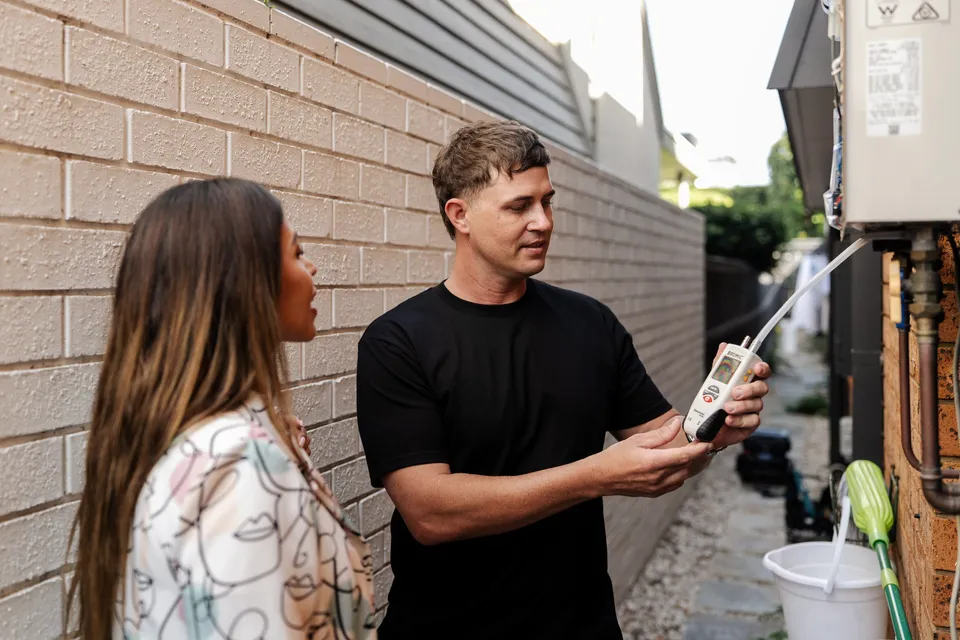
A repair earns its spot while the line still holds together and the leak arrives once. Replacement wins when the same run keeps splitting, the water runs rust-coloured, or the flow fades at several taps together. Old water pipes here usually announce themselves one of three ways:
Leaks that repeat along one run
One repair after another on the same stretch points to a pipe wearing out, not one bad joint.
Brown or rust-coloured water
Discolouration means corrosion is inside the pipe itself.
Flow that fades across the house
When several taps run thin together, scale or rust is choking the bore.
Two old materials sit behind those symptoms. Galvanised pipe is steel with a zinc skin, and that skin rusts from the inside as the years pass, which narrows the bore and tints the water. The other is copper pipe and brass fittings soldered with lead, standard practice in Australian homes until 1989, so the age and state of the water pipes deserve a look in anything older.
Copper or PEX for the New Pipework
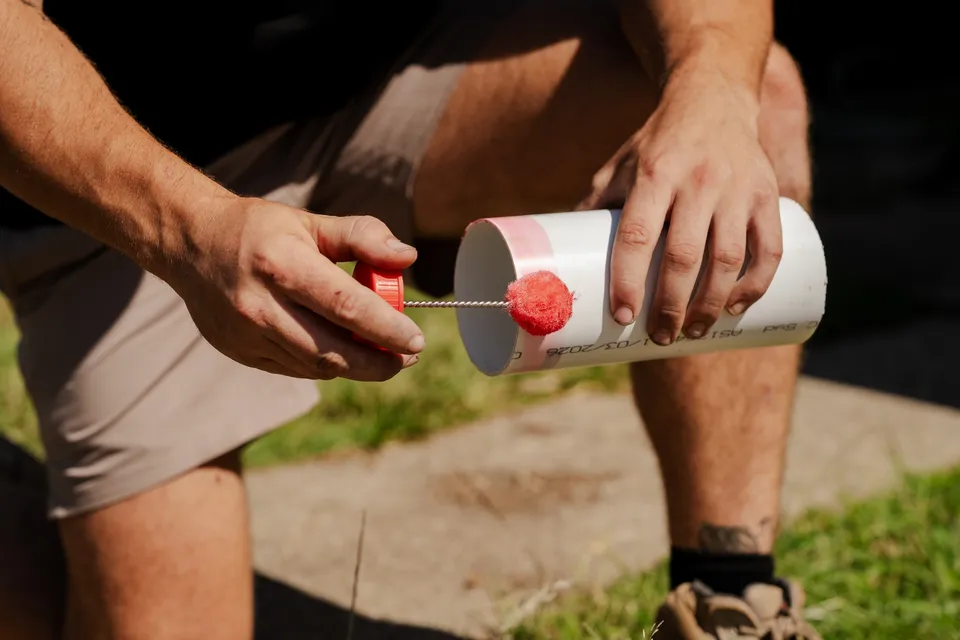
The two usual replacement materials are copper, a rigid metal pipe, and cross-linked polyethylene (PEX), a flexible plastic. We pick between them by where each run travels. The choice is not a free-for-all:
Copper
rigid, joined with fittings, and well suited to runs where the pipe is exposed or needs to hold its own shape.
PEX
flexible, and able to bend around corners, which suits long runs through tight cavities behind joinery.
One rule sits above both materials. Every product installed has to be a type the Act approves for plumbing. On top of that, the finished work must comply with the code requirements, so the material gets picked from the approved list, not from a brochure.
What Happens During a Whole-House Repipe
- 1

Inspection and Mapping
We check what is there first, deciding which pipes need replacing and which can stay. A run that repeats leaks goes on the list; a sound branch off it may not.
- 2

Opening Access
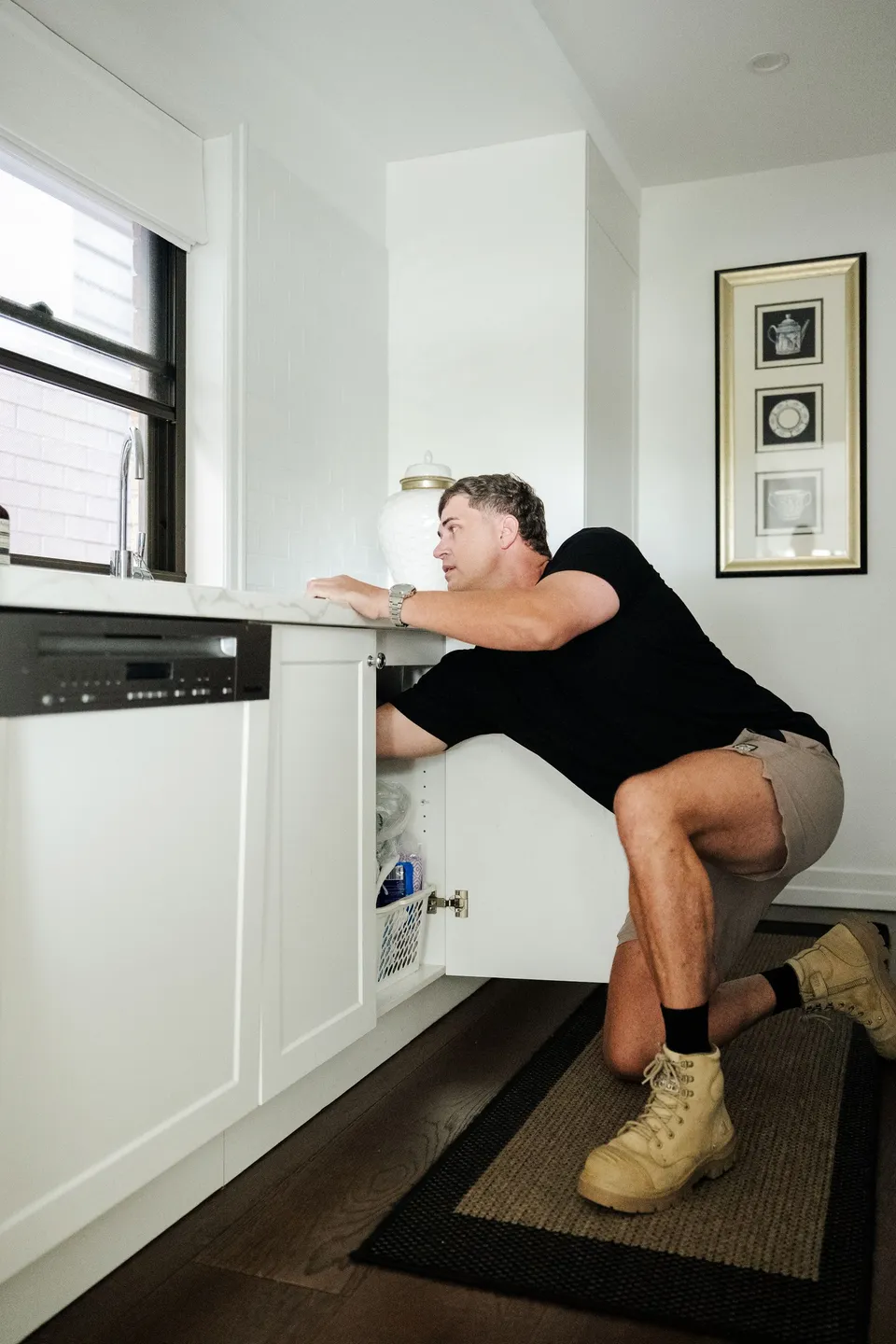
The plumber opens access to the pipe runs inside wall linings, under floors and beneath the house. Nothing gets connected until the line can be reached and worked on safely.
- 3
Building the New Line
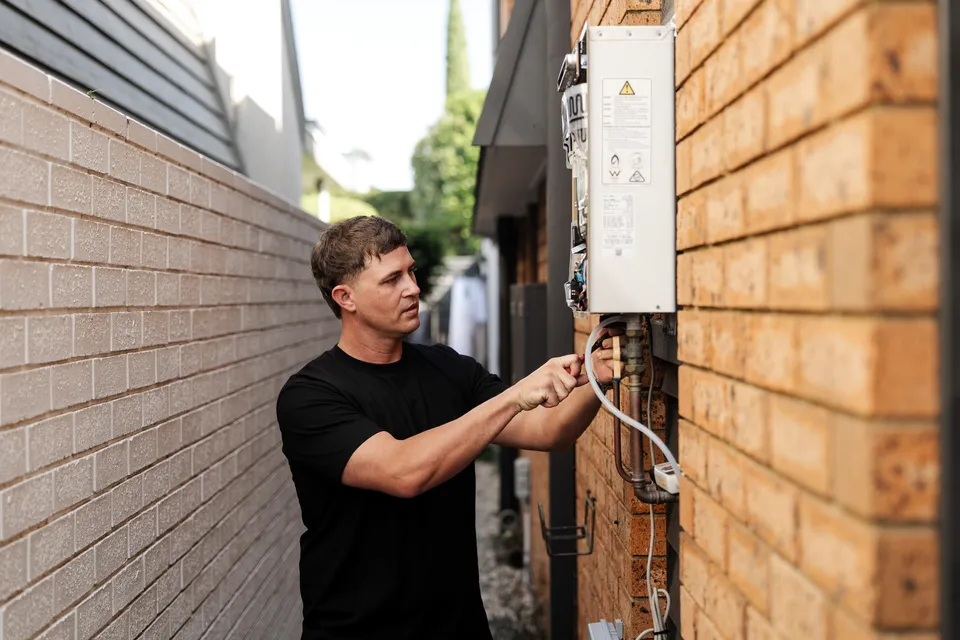
The fresh pipework is assembled in parallel with the old, so the house keeps its water while the new run takes shape. This is also when any planned staging gets agreed, room by room if needed.
- 4

The Switchover
The water gets shut off, the new line is connected to the meter and each fixture, and the old pipe is cut out of service. This is the part that cannot run with the supply live.
- 5

Testing for Leaks
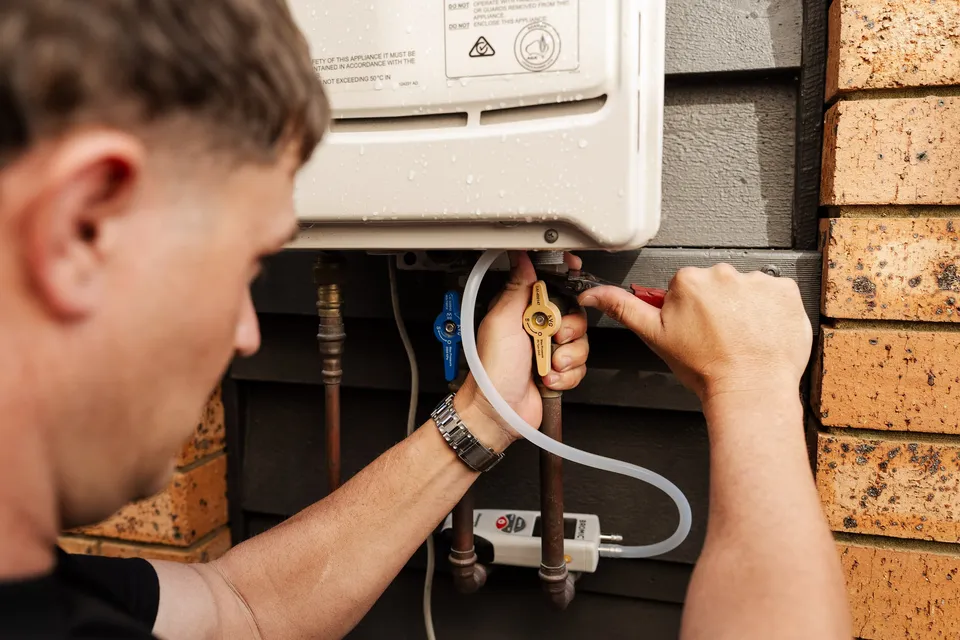
With everything connected, we pressure-test the new line and run every tap. Only when the system holds pressure does the job count as finished.
Plumbing job in Milton?
$0 call-out fees, available 24/7, and same-day where we can.
Where the Old Pipe Still Survives Here
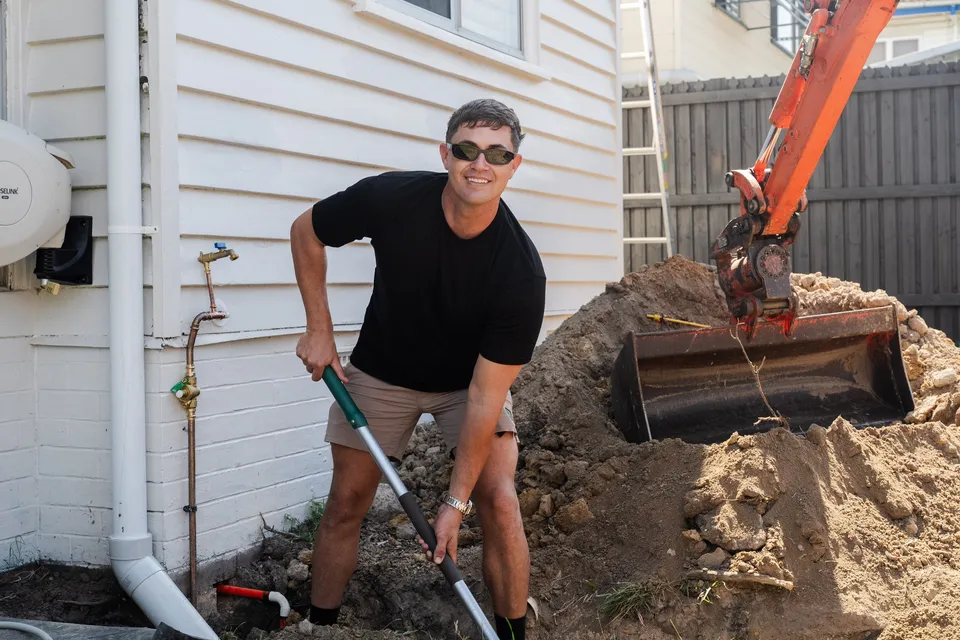
At the last census, Milton counted 318 detached houses among 1,513 dwellings, and area-level figures added just five dwellings approved in 2021-22. Almost no new houses join the stock, so the old homes keep ageing in place. A pre-1940 weatherboard cottage tucked into the back streets off Milton Road usually still runs its original galvanised supply under the floor.
That age of pipe scales up at the elbows and loses pressure along the run. It hides behind joinery and under floors rather than on a wall where you would spot it. If the water turns brown or the taps fade together, leak detection can confirm which stretches are still sound before anyone commits to the full replacement.
How Local Milton Plumbing Runs a Repipe
- 1
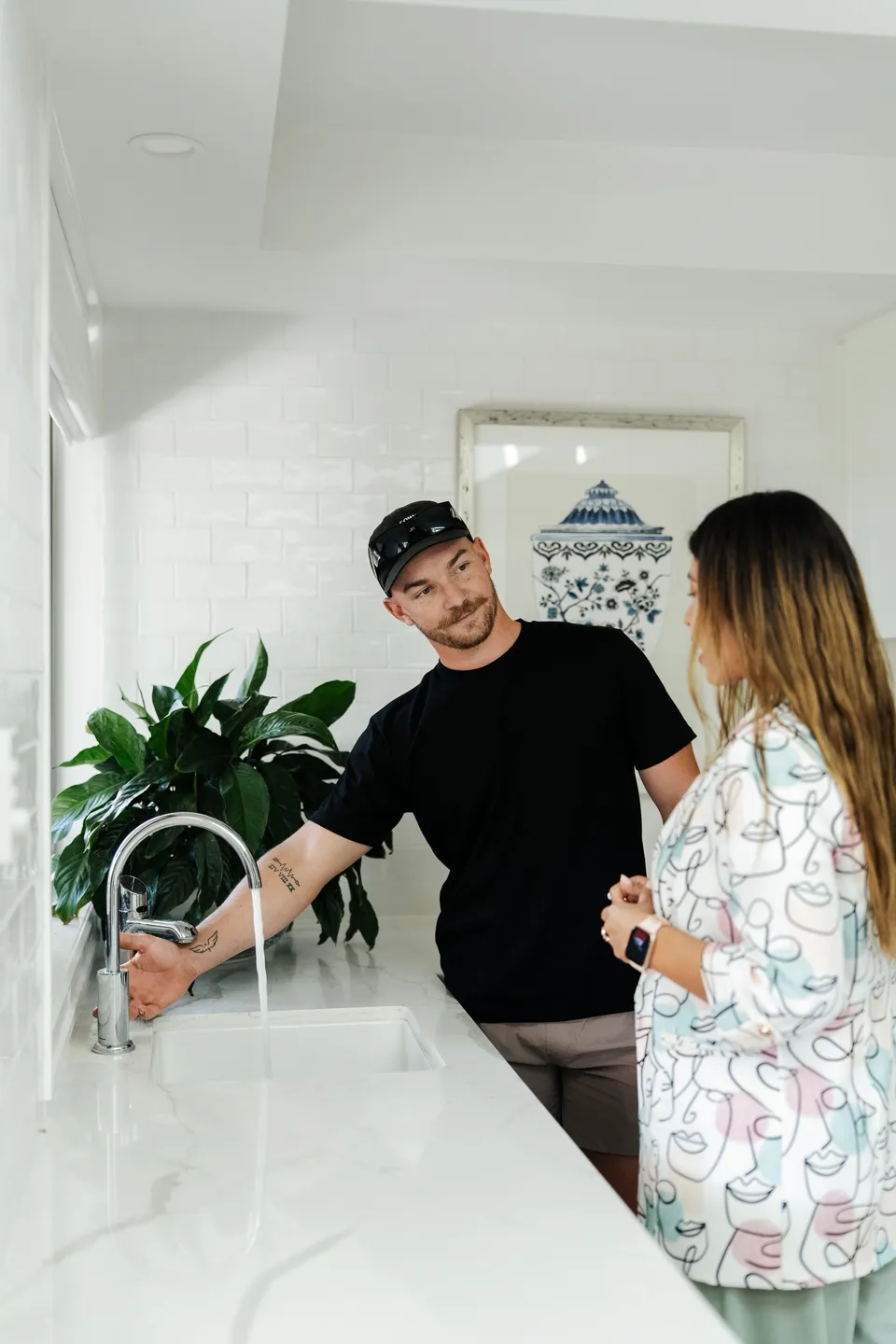
Tell us what's happening
Call (07) 3523 7172 or send the form with a few details about the problem in Milton. A clear description helps us bring the right parts.
- 2
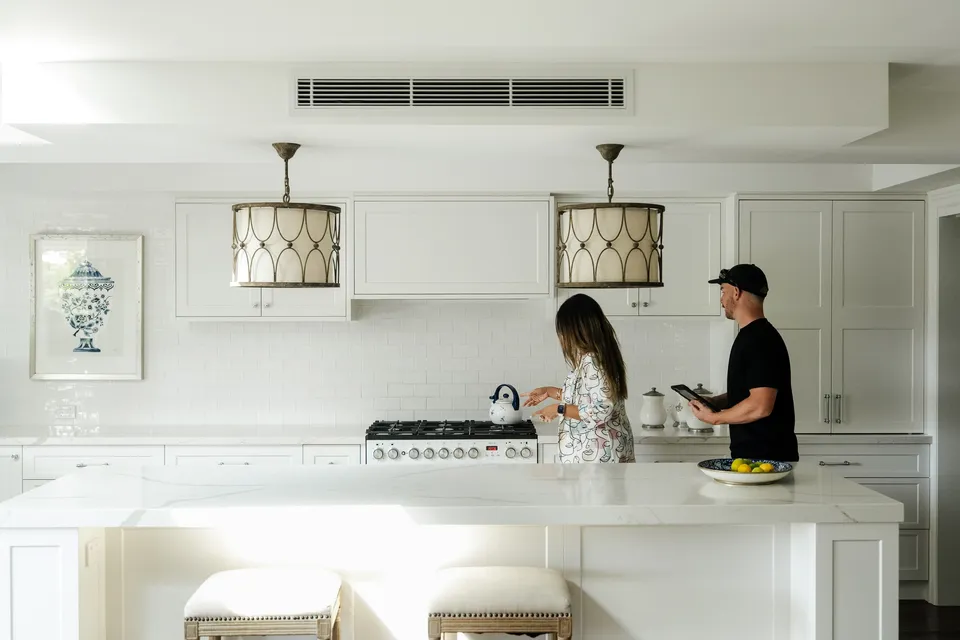
We Walk the House and Map the Line
We trace the supply from the meter to every tap, note how each stretch travels, and settle with you whether the repipe goes ahead as one job or in stages by room. The map comes back on the quote.
- 3
Approve a fixed price
You get a fixed quote before any work starts, with flat-rate pricing and no hidden fees. Nothing goes ahead until you say yes.
- 4
Pay when it's finished
Pay by card or EFTPOS on site once the job's done, or ask about Fix now, pay later.
Old Pipe Questions We Get Asked
Call (07) 3523 7172What happens when a house in Milton gets repiped?
A plumber inspects the old pipes, maps what stays, then builds the fresh run alongside the existing one. The switchover happens with the water shut off, and every joint gets pressure-tested at the end. The work needs access to pipe inside wall linings and under floors, so expect some opened linings along the way.
Does an old Milton house need repiping, or will repairs do?
Repairs serve while the line still holds and a leak turns up once. Repiping earns its keep once the same stretch keeps leaking, the water runs brown from several taps, or flow fades across the house. The condition of the pipe, not its age alone, settles the question.
How can I confirm a repipe was registered?
The QBCC's online registers show whether a plumber holds a licence and whether a Form 4 was lodged for your address. Owners can ask the QBCC for a copy, including when one never arrived. A complaint through the QBCC's online plumbing form is the next step if the work looks unlicensed or non-compliant.
What drives the price of repiping a house?
Two things drive the price: the length of pipe the job needs and the number of fixtures to reconnect, plus how the plumber reaches the run. Access through wall cavities, under floors or beneath the house adds work either way. A fixed quote before any work starts settles the figure.
Will we still have water during the repipe?
Yes, through most of the work. The fresh line is assembled while the old one keeps running, so the taps still work while the pipe goes in. The supply only comes off for the switchover and the leak test at the end.

Ring Us About Your Old PipesWe'll call you back.
Ring (07) 3523 7172 and tell us what's wrong. You get $0 call-out fees, a fixed quote before any work starts and same-day where we can, 7 days a week.
To claim your $0 call-out fee, call (07) 3523 7172 today.